
Our Blog
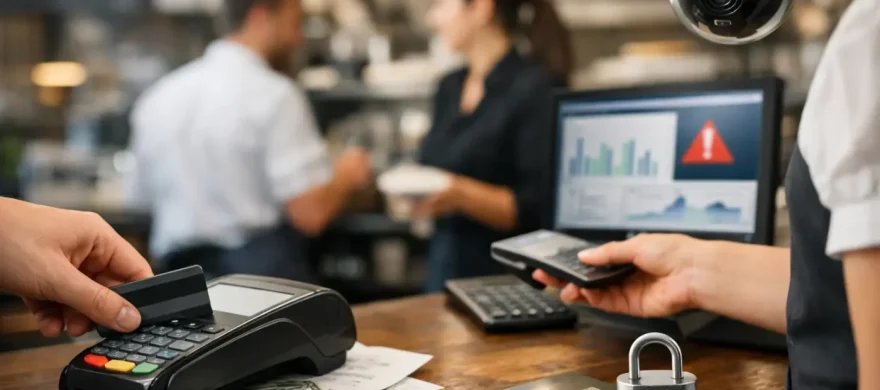
10 Restaurant Chargeback Prevention Tips That Work
August 30th, 2026
A chargeback can turn a completed dinner service into an unpaid check weeks later. The guest has eaten, your team has done the work, and now you are gathering receipts, POS records, and staff notes to prove the sale was legitimate. These restaurant chargeback prevention tips help reduce avoidable disputes without making service slower or more frustrating for guests.
Not every dispute is preventable. A cardholder may genuinely not recognize a transaction, a guest may be unhappy with an order, or fraud may occur before the card reaches your counter. The goal is to make every payment easy to understand, properly authorized, and well documented if a dispute does arise.
Why restaurants lose chargebacks
Restaurants face a particular challenge because the person paying may not be the cardholder, tips can change the final amount, and a weekend bar tab may not post exactly when a guest expects. Delivery, online ordering, catering deposits, and gift cards add more ways for a customer to question a charge.
The processor and card network do not see the full context of a busy shift. They see transaction data and the evidence you provide. If your payment workflow leaves gaps – unclear descriptors, missing signatures where required, no proof of pickup, or inconsistent refund handling – those gaps make it harder to defend legitimate sales.
10 restaurant chargeback prevention tips
1. Use EMV chip or contactless payments every time possible
For in-person transactions, encourage staff to use the chip reader or tap function rather than manually keying a card number. EMV and contactless transactions create stronger proof that the card was present and authenticated. Manual entry should be the exception, not the normal workaround for a terminal that is slow, poorly placed, or not working.
If a terminal repeatedly fails during peak hours, fix the operational problem. Staff will naturally choose the fastest path, but a few seconds saved by keying a number can create a much more expensive dispute later.
2. Make your billing descriptor recognizable
A customer who does not recognize a charge is more likely to call their bank than your restaurant. Review the business name that appears on card statements. It should closely match the name guests see on your sign, menu, online ordering page, and receipt.
This matters for restaurant groups, breweries with separate legal entities, and venues inside hotels or event spaces. If the statement shows an unfamiliar corporate name, a valid $86 dinner charge can look suspicious. Include a working phone number when your processor supports it so a guest can contact you before filing a dispute.
3. Give guests clear, itemized receipts
An itemized receipt does more than answer a guest’s question at the table. It gives your business a clean record of what was purchased, when it was purchased, and how the total was calculated. Ensure receipts clearly show menu items, taxes, service charges, discounts, tips, and the final amount.
Service charges deserve special attention. If your restaurant adds an automatic gratuity for large parties, a wellness fee, or a credit card surcharge where permitted, disclose it before payment. Put the policy on menus, online ordering pages, and the guest check. A surprise fee is a common trigger for a dispute, even when it is technically disclosed in small print.
4. Confirm tip adjustments before closing the batch
Tip-related disputes are often preventable. Train staff to enter the exact amount written by the guest and to verify the final total before settling the check. A misplaced decimal point or transposed number can quickly become a chargeback claim.
Retain signed receipts or secure digital equivalents according to your processor’s requirements. For a payment completed on a handheld device, make sure the system records the authorization, receipt delivery method, and final tip amount. The strongest approach is to reduce manual steps wherever possible, but your POS setup has to fit the way your staff actually works.
5. Set firm bar tab and walkout procedures
Bars and breweries are especially exposed to open-tab disputes. Establish a consistent policy for starting a tab, holding a card when appropriate, and closing tabs at the end of the night. Let guests know what happens to tabs that are not closed, including any permitted automatic gratuity or closure process.
The policy must be visible and applied consistently. A handwritten sign behind the bar is not enough if staff are unable to explain it or the POS does not support it properly. Review your state rules and card network requirements before setting automatic tab policies.
6. Match online orders to a reasonable pickup process
Card-not-present orders carry more risk because you do not have chip-read proof. For pickup orders, collect the customer’s name, order details, phone number, and a timestamp. When an order is picked up, have staff verify the name and document the handoff in the POS or order system.
For larger orders, consider requiring the cardholder to present the payment card and matching ID at pickup when practical. That may not make sense for a $12 lunch order, but it can be reasonable for catering trays, holiday packages, and high-value alcohol orders where allowed. The right policy depends on your ticket size and guest experience.
7. Keep delivery evidence organized
For direct delivery, keep records that connect the order to the delivery. Useful documentation can include the order confirmation, delivery address, driver dispatch record, text notifications, delivery photo where appropriate, and proof of receipt. Third-party delivery marketplaces may control some of this information, so understand what evidence you can access before a dispute occurs.
If your restaurant runs its own delivery operation, do not rely on a driver’s memory after the fact. A simple, consistent record is far more useful than a detailed story gathered a month later.
8. Make refunds easier than disputes
A guest who has a legitimate complaint needs a quick path to a real person. Post a phone number or monitored email address on receipts and ordering confirmations, and give managers clear authority to resolve small issues. A prompt refund for a missing side or duplicate charge is usually less costly than a chargeback fee, lost revenue, and staff time.
That does not mean refund every complaint without review. Look at the transaction, order history, and guest’s concern. The point is to resolve clear mistakes before frustration sends the customer to their bank.
9. Train every shift on payment basics
Chargeback prevention is not only a back-office task. Hosts, servers, bartenders, counter staff, and managers all affect the quality of your payment records. Training should cover what to do when a card will not read, how to handle a declined transaction, when a manager should approve manual entry, how to explain fees, and where to send a guest with a billing question.
Keep this training practical. Walk through the actual POS screens and the common pressure points from a Friday night. If staff have to guess their way through a payment exception, the process is too complicated.
10. Review disputes for patterns, not just losses
Treat each chargeback notice as operational feedback. Track the reason code, order type, daypart, amount, terminal or channel used, and outcome. After a few months, patterns usually become visible. You may find that disputes cluster around online orders, a specific service charge, one location, or manually keyed transactions during busy hours.
Use that information to correct the source of the problem. A better terminal layout, a clearer receipt, staff retraining, or a change to online order confirmation can prevent more losses than simply fighting every case one at a time.
Build a payment process your team can follow
The best prevention plan is one your staff can execute during a rush. It should not depend on perfect memory, complicated workarounds, or a manager being available for every exception. Your POS, terminals, ordering channels, and reporting should work together so that routine payment documentation happens as part of normal service.
If your current setup creates unclear receipts, frequent manual entry, or inconsistent reporting, the issue may be the system fit rather than the staff. Rocky Mountain Credit Card Processing helps hospitality businesses assess payment workflows, improve POS operations, and reduce unnecessary processing friction.
A clean payment process protects more than a single transaction. It protects your revenue, gives your team confidence at the point of sale, and makes it easier for good guests to come back without confusion.